communities

"are all about"


SECTIONS ON THIS PAGE
community about what a community can be
forming What, where, how and why form a community
identity life with a community


community


this is what we are, together

The model of this project involves encouraging individuals to participate in building community together. In doing so, we give ourselves opportunities to share resources and ideas otherwise unavailable to an individually. Additionally, working as a community for social change gives the authority to help change lives outside of our own.

A community within this project

who and what comes together in a few basic ways. One is a local community - people and organizations in a specific area of various sizes. Another is around a specific interest or function - such as a community based on crime prevention, or creating art, or helping to facilitate organization of a community. Another is the interconnected global community. And these communities co-exist together to form what society is.

the organization comes from community

As we come together, we not only focus on how to make our community better, but also how to encourage others to do the same. Each community shares resources and ideas that work. The organization itself is a shared community project that focuses on movement building, networking communities, and encouraging new communities to form.


forming


How this works:

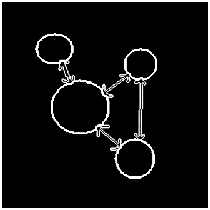
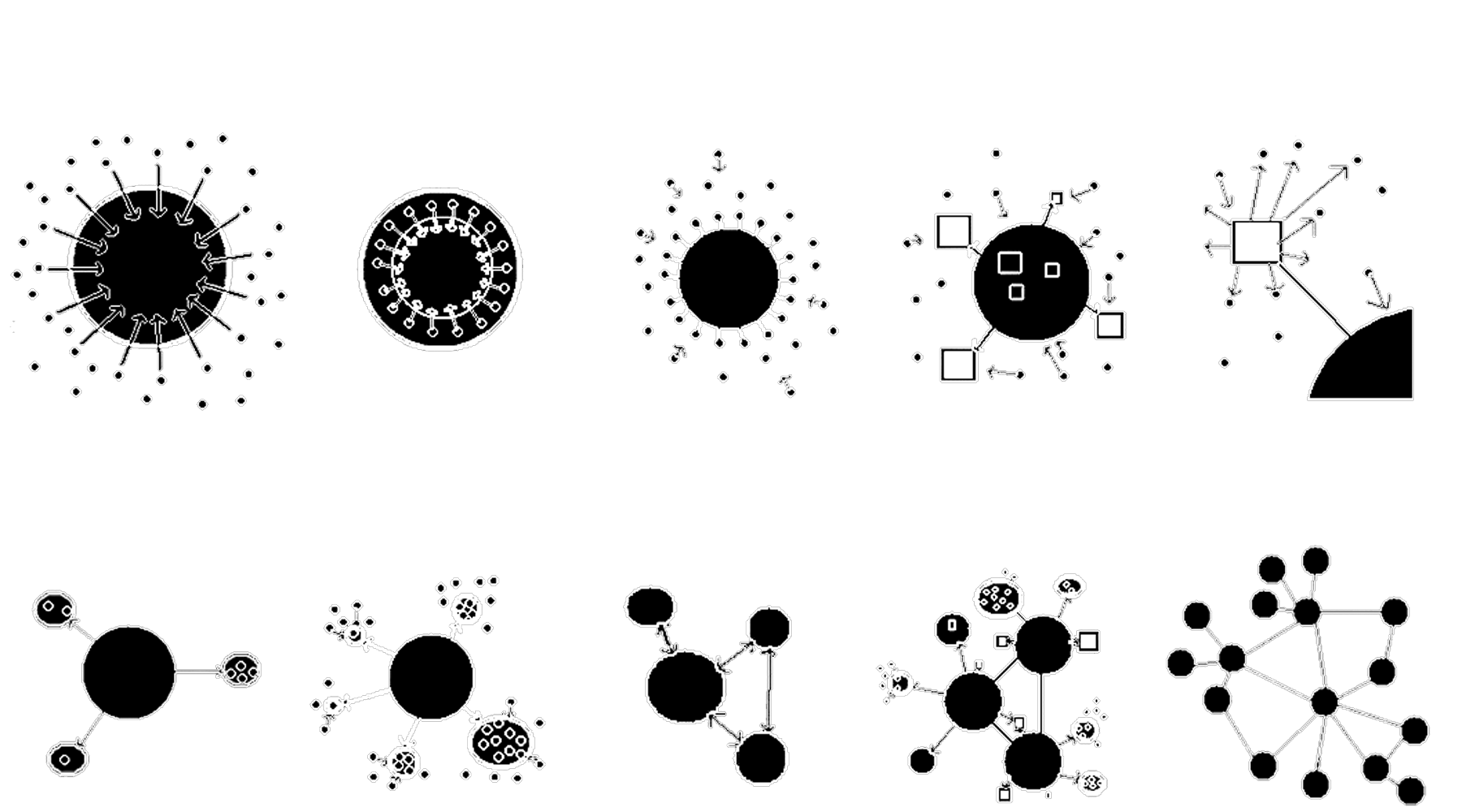
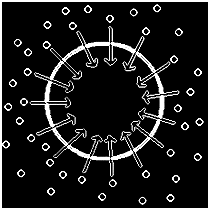
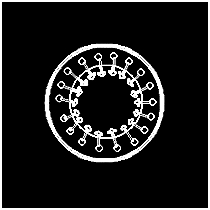
The following diagrams display the development process. Displayed is how a community develops, how the organization develops, and how a network is formed.


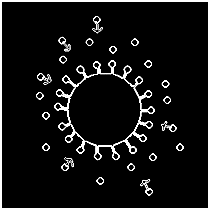
Inviting people to participate
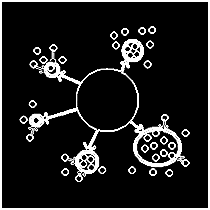
--- Currently we exist in a state of drastic separation. Organizations, people, and efforts are not connected with each other in the most beneficial ways, or not at all. This project invites (the big circle) organizations, projects, and people (small circles) to come together.


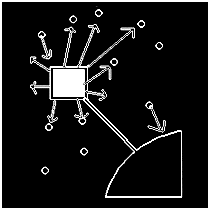
Coming together

--- Once together (within the outer invitation circle), we have the opportunity and ability to discover how we will proceed. Here we design our organization: how we organize ourselves, the projects we will work on, and how to proceed (ideas and visions as arrows towards the center). Thus the first community is started (central circle), and the path this project will go is started upon. Open invitation is presented for engagement with the projects on their own or to be more connected to a community.


Inclusion

--- Nobody is left behind. Once the project is started, more people will be directly invited, and eventually an open invitation be presented. People and organizations can become part of our community and a developing network of communities and projects. A collective visioning process will be perpetual, and as we learn how to organize and function, we will grow. As the vision and the organization grows, it will become more clear and well defined.


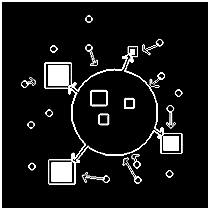
action

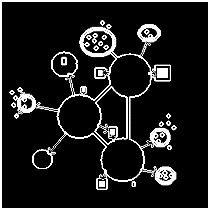
--- The organization exists as a collection of people's visions for change. This change takes the form of action through developing projects (squares connected or within the circle) that serve the community and the world at large. Additionally, certain projects take the form of infrastructure, tools, and resources for the organization (squares within or connected to the circle).


Impact

--- The projects themselves are diverse, and only limited by our capacity to envision how to interact with our world. They serve to benefit, protect, and sustain in ways that are they are asked to. Projects are described in more detail on the "projects" page, but in general take diverse forms such as: developing "spaces" for living, working, farming, and enjoying ourselves; as well as organizations such as a web interface that enhances our ability to communicate, or to hold financial assets for appropriate access, or collect assets in ways compliant with the systems we're working to change (such as a collective bank, non profits, for profits); and projects that directly effect our individual needs within our communities: projects that help us thrive in order to eliminate crime, oppression, and that provide us with what we need and want, in order to live in a healthy community. A summary would be that "projects" are the action allowed to us, once we have regained agency over making changes in our communities and world, by giving ourselves the power and authority to do it as a community.


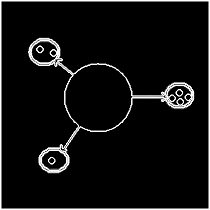
Replication

--- as the community organization develops, the invitation to form community is continually sent out. Through people and various tools, other communities are encouraged to be formed. They have the benefit of receiving resources, ideas, and best practices from existing community, but the visioning process is a vital function of each new community. In turn, what works in new communities is shared with the others.


continual development

--- continued development happens, and communities become more populated, more resourceful, and better organized. Multiple communities exist, and organize so that they can support each other, and continue to invite new community formations, and individuals to participate with them.


developing the network

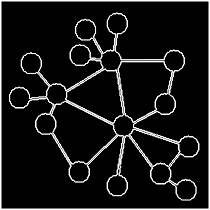
---a network of communities is formed. This network is explained in detail on the "Network" page, but in summary: Forming a network of communities allows for resources and ideas to be shared across communities. Best practices, solutions to problems, people, and collective projects have the ability and opportunity to serve multiple communities. Also, having a collective of communities creates a different type of community in itself.


functioning

---Communities continue to explore their own needs, while working collectively with other communities, developing projects that benefit them all. New communities are continually formed and added to the network, and a healthy, functional ecosystem emerges.


established change

---The networked communities create not only a stronger and more inclusive community, but also become a social movement. Current systems of society function in a similar way. There are neighborhoods, cities, counties, states, countries, and federations of countries. What makes this network different is that its based on a collective of local communities horizontally self-organized, rather than controlled vertically by a hierarchical system of supposed individual representation. The social movement has the ability to create large scale change.


Overview:


identity


Community? Who are we?

- More to come